An international meeting on fungi conservation discussed how to use the knowledge gained through science and hobby science more effectively in nature conservation and policy-making.
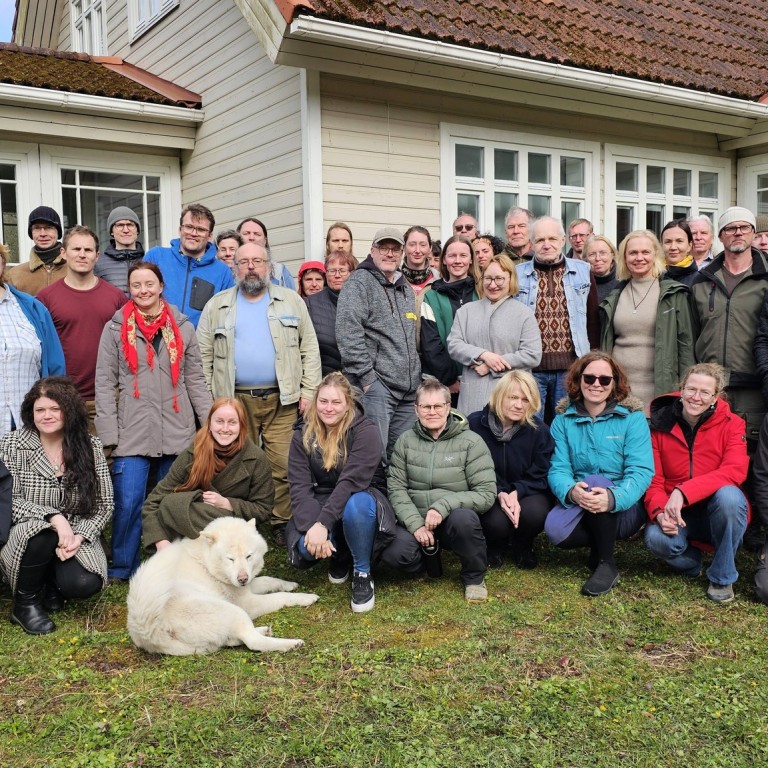
In mid-April, scientists, conservation specialists, hobby scientists and myco-enthusiasts around the world gathered in Uppsala for the meeting “Fungal Conservation in Europe: From Knowledge to Action”. The aim of the meeting was to reflect on how to apply scientific and citizen-science knowledge of fungi more effectively in nature conservation activities and policy-making. In addition, the current state of fungi conservation and its future prospects in Europe were discussed.
The discussion sessions preceding the meeting addressed on the red listing of fungi on a global scale. Among other things, Polina Degtjarenko, a researcher from the Landscape Biodiversity Workgroup, presented interim results from the update to the lists of protected fungi and lichens in Estonia.
„Internationally, fungal conservation has gained increasing attention in recent years. For example, the global initiative “Fungal Conservation Pledge” will be included in the agenda of the 2026 COP17 conference organized by the UN Convention on Biological Diversity, calling on governments to recognize fungi as an independent wildlifekingdom in national and international legislation, policies and agreements. The initiative aims to strengthen the protection of fungi and support measures that help maintain their important role in the functioning of ecosystems and human well-being in the conditions of the environmental crisis,” says Polina Degtjarenko.
To date, 14 countries have already joined the initiative. This reflects the growing international recognition and efforts to include fungi in environmental decision-making on an equal footing with animals and plants.
More information:
Polina Degtjarenko