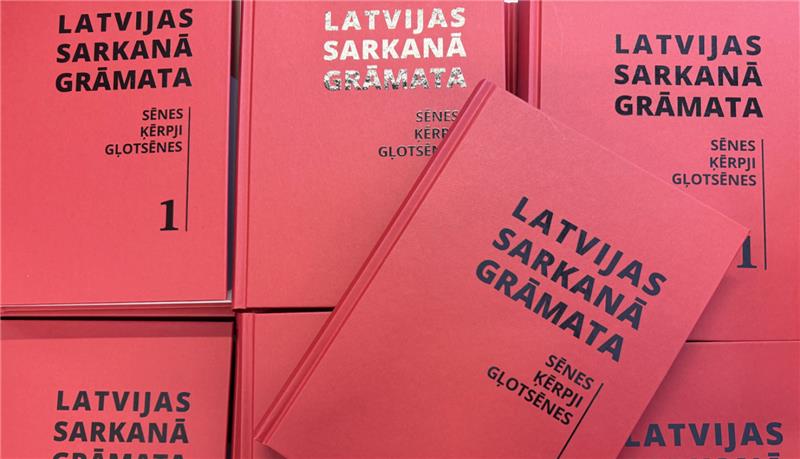
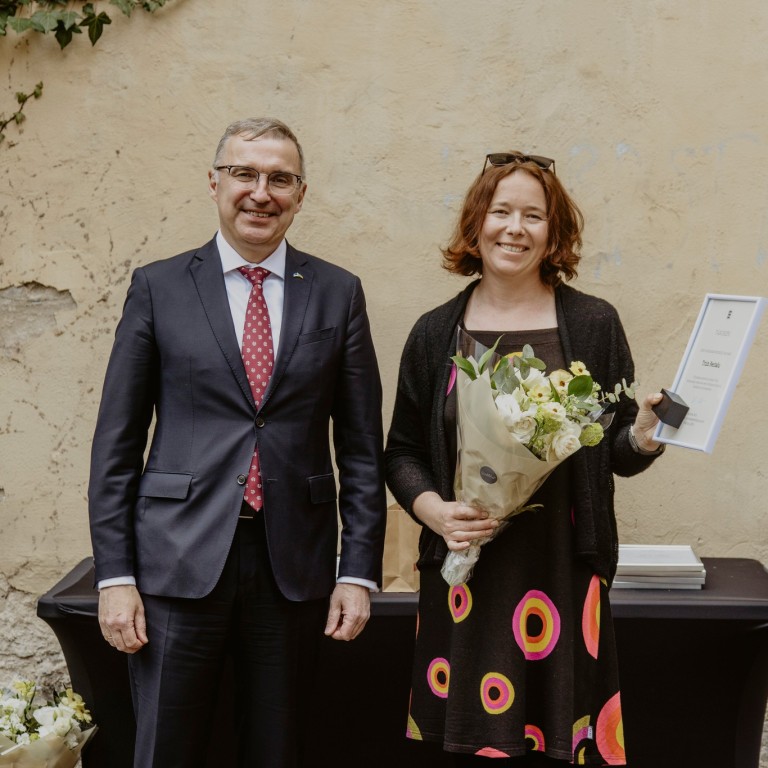
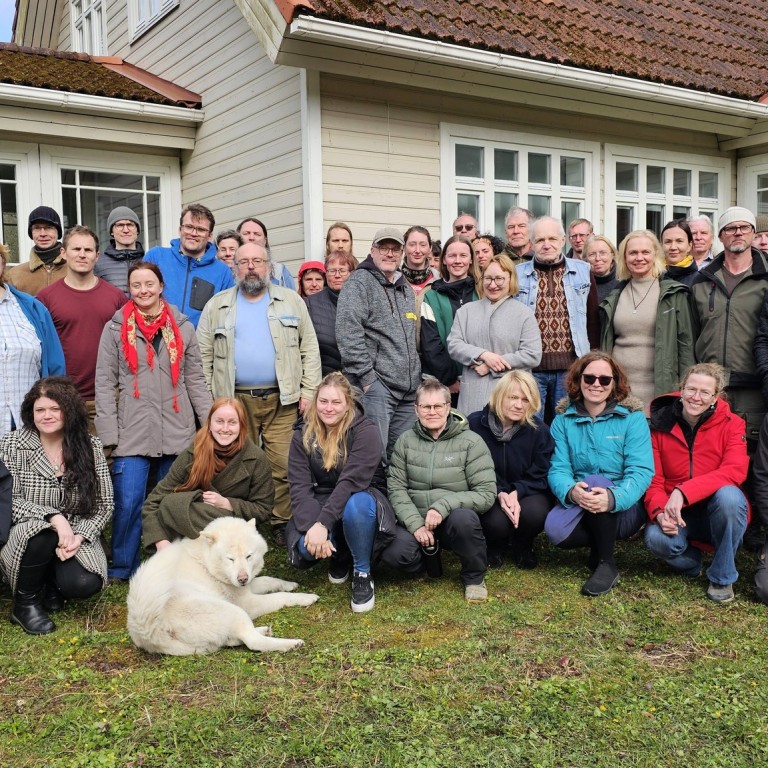
At the end of January, the new Latvian Red Book (red list of species) was presented in Riga, which aims to provide an overview of the risks of extinction of various species in the region and the threats causing it. Such a framework for classifying species based on their vulnerability is the basis for organizing species protection and planning conservation measures.
The new Latvian Red Book was completed over four years (2021–2025) as one of the activities of the LIFE FOR SPECIES project. The threat status of Latvian species was assessed for the first time according to the internationally recognized IUCN methodology, which allows for better international comparison and use of the results. The published 6-volume book contains descriptions of 1,069 species and is also available electronically.
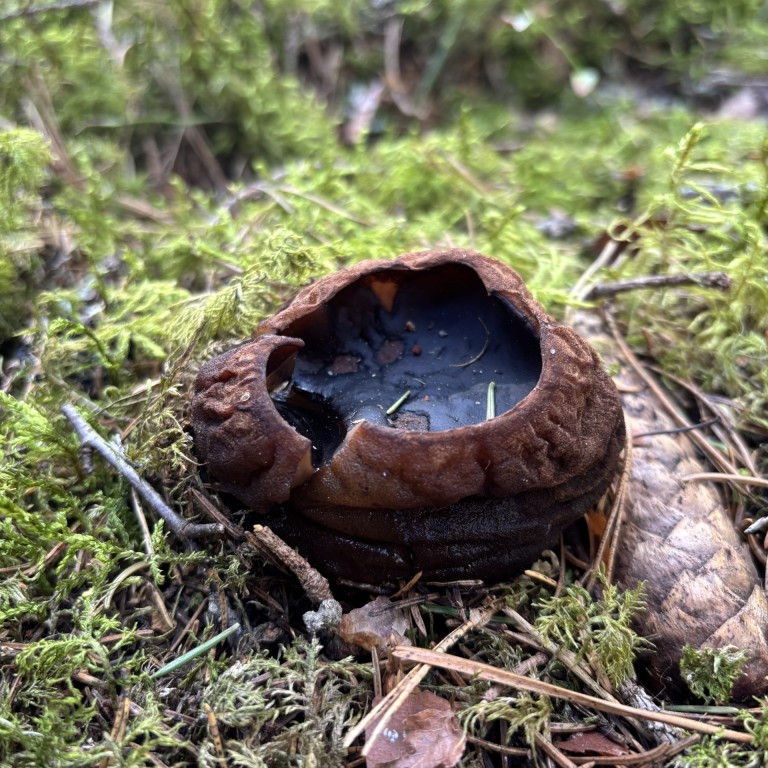
One of the authors of the Red Book is also Polina Degtjarenko, a researcher in restoration ecology at the University of Tartu's Landscape Biodiversity Working Group, who helped edit the list until the last moment.
"My first emotion when I saw the book was that it looks incredibly gorgeous. I still can't believe that I am a part of it and the creator of its content," said Polina Degtjarenko. "The updated Red List threat assessments provide a good overview of the status of species and are a great help, for example, in updating the protection categories of species. If the status of a species deteriorates in a neighboring country, this is an additional argument for reviewing the local protection category."
This book is also important from the perspective of Estonian nature conservation, as the IUCN methodology used makes it possible to compare Latvian threat assessments and the status of species with those in Estonia. This methodology has been used in Estonia since 2008.
Photo: Polina Degtjarenko