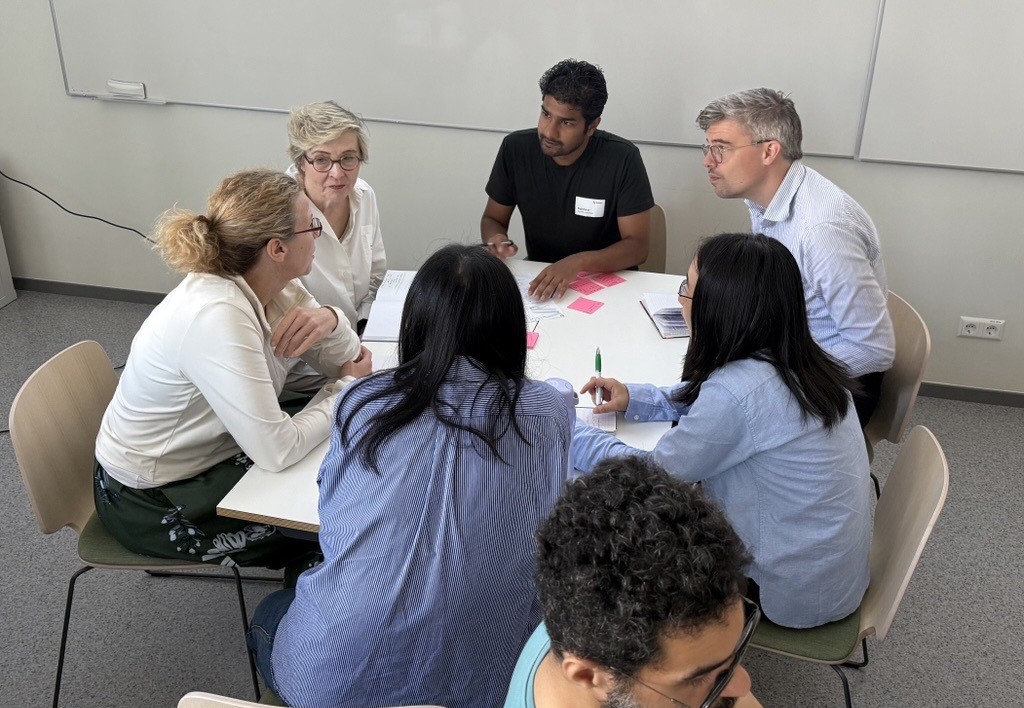
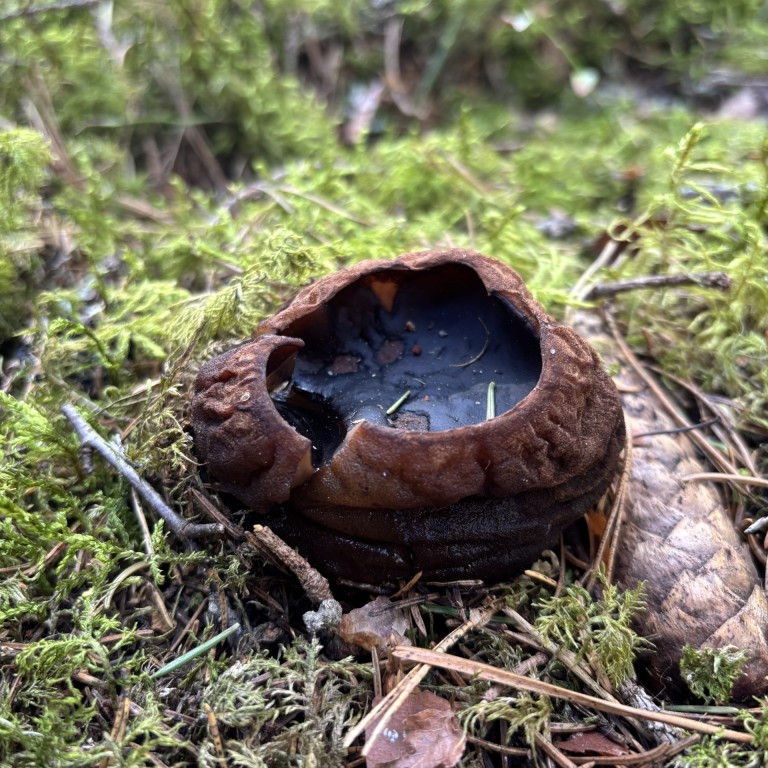
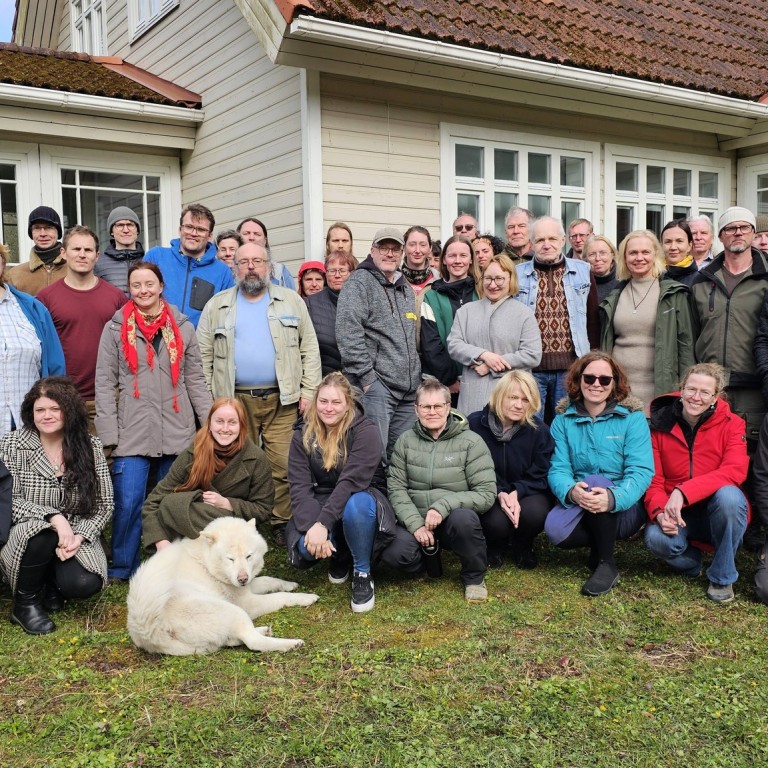
This week, the Landscape Biodiversity Workgroup, together with the Chair of Human Geography and Regional Planning at the University of Tartu, hosted doctoral candidates from the European Doctoral Network SUNSET. The conference-training, focusing on urban sustainability and related socio-economic issues, was complemented by a joint trip along the TartuROHEring project areas, where participants explored biodiversity-friendly urban planning and green infrastructure.
The three-day European Doctoral Network SUNSET first meeting “Investigate City-University Interactions in the Twin Transition”, held in Tartu on 10–12 September, brought together ten doctoral candidates from six universities.
During the training, doctoral candidates explored the socio-ecological dynamics of the green transition in urban environments. Through expert-led lectures, interactive workshops, and field-based learning in the city of Tartu, the key questions at the intersection of urban planning, biodiversity conservation, and social inclusivity are discussed. The workshop aimed to foster interdisciplinary understanding, support knowledge exchange, and inspire new research ideas.
Under the co-supervision of Aveliina Helm, Professor of Restoration Ecology and head of the Landscape Biodiversity Workgroup, the doctoral studies of Michele Donnini, Ahmed Atia Ali Atia Rezk, and Petros Constantinides are being carried out.
SUNSET is a European Doctoral Network that aims to develop innovative research and training capacity around city-university interactions, driving the EU’s twin green and digital transitions.
SUNSET brings together a network of prominent researchers working in diverse geographical and disciplinary settings at leading universities with partners from city governments, innovation companies, research institutes and civil society organizations to analyze and boost the performance of urban innovation ecosystems.
SUNSET is funded by Horizon Europe – Marie Skłodowska-Curie Actions under grant agreement ID 101119845.
Photo: Liisa Pihus